
Let me tell you, I hold so much respect for the married women of south India who wear sarees every day. Along with the excessive tailoring malfunctions that seem to plainly accompany our being here, particularly with Kymberly and my big stature (which makes everything so much more difficult in general), we were in for an adventure the day I tried to dress in my first saree. Until that point, I had solely worn kurtas (aka tunics) with colored, but matching, leggings, and a scarf to humbly imply modesty. That type of dress was our day-to-day, and little did I know the lengths we had to go to master the tying of a saree.
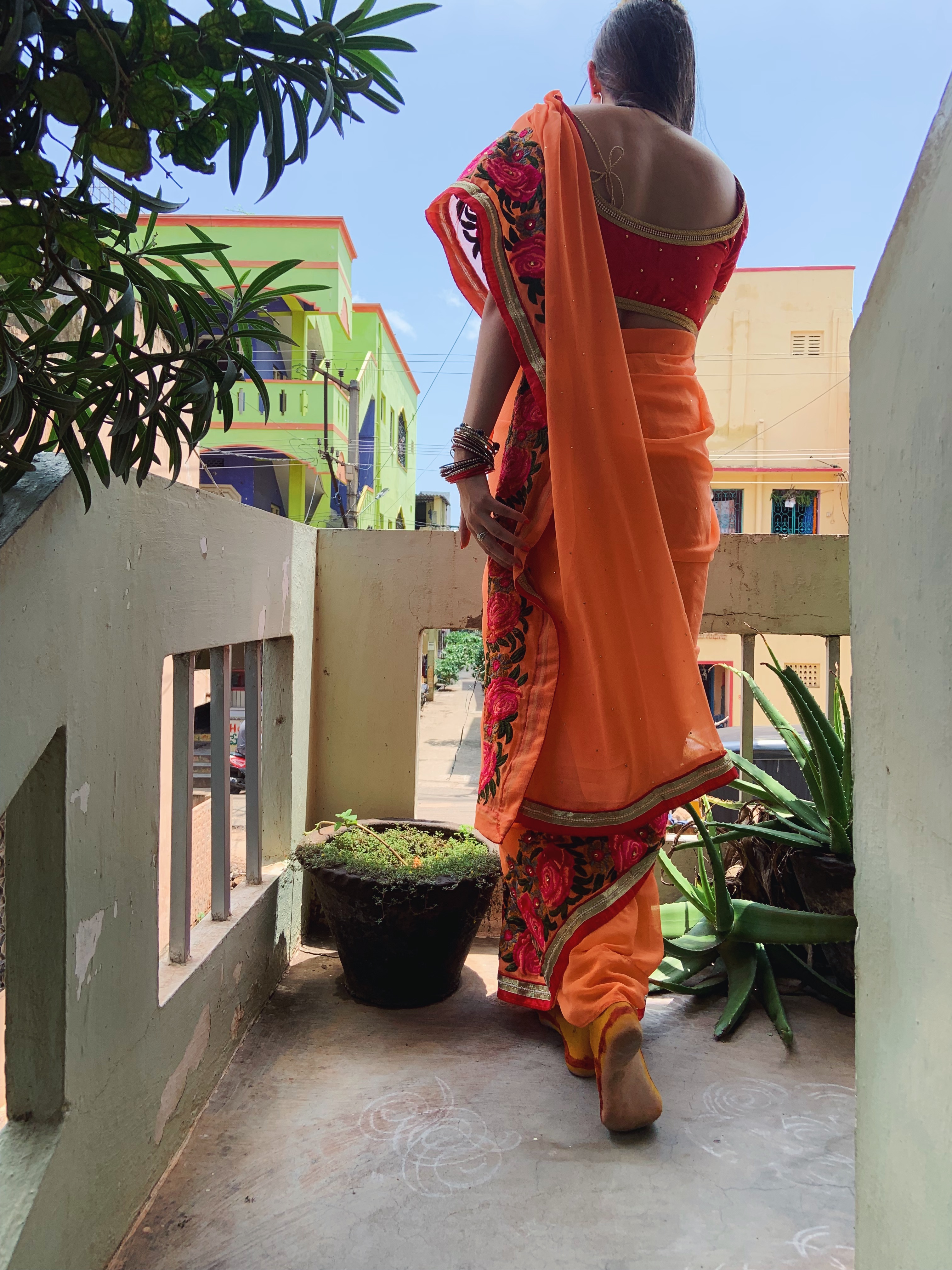
A saree is most commonly a three-piece set. I say ‘most commonly’ because throughout the trip I’ve noticed a spectrum of women in sarees. Some women very openly display their comfort by striding around in an elegant ensemble with added jewelry and scarves, and some women wear nothing but a simple cloth. A saree begins with one long sheet of “unstitched” fabric (in quotations because normally sarees will have stitching along the ends of the fabric to keep it from unraveling and some embroidery at extra cost) that spans about 4’ x 13’. The second piece of the saree is the blouse which is personally tailored to fit you. However, I recommend just going and purchasing a ready-made blouse because my experience with the tailors was chaotic, to say the least(1). The third part of saree wearing is the petticoat which essentially holds everything together once the sheet is tied around the body. The petticoat is necessary because the cloth is tucked and pinned in place around it, and thankfully Sailaja knew what she was doing so I didn’t have to spend hours trying to figure it out myself! I don’t know how women do it without the petticoat!
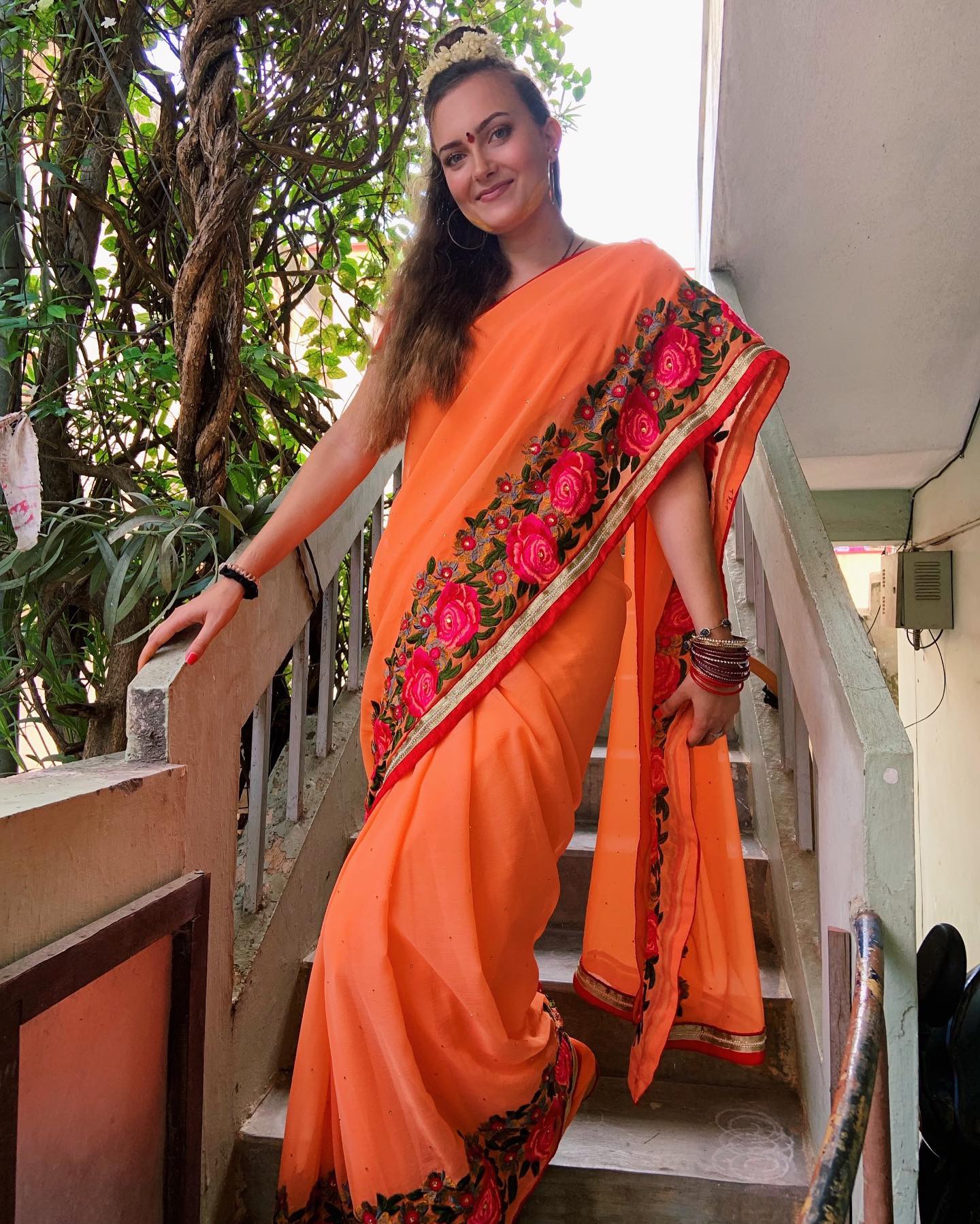
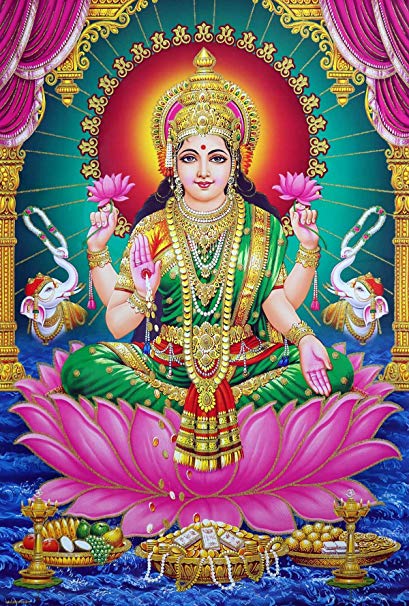
Anyways, the day of Varalakshmi of Vratham is a festival to appease the Goddess Lakshmi, and is a wonderful occasion to wear a saree. In southern India, it’s common for women to wear sarees every day, but only after marriage. An unmarried woman, like myself, wear sarees solely unless it’s a special celebration (like a wedding), or an auspicious holiday deserving of propitious fashion. Lakshmi is the Hindu goddess of wealth, fortune, and prosperity, who takes on the role of Lord Vishnu’s wife and energy. To clarify, Lord Vishnu is one of the three main deities of Hinduism, aka one of the Hindu trinity. This holiday is celebrated on the second Friday or the Friday before the full moon in the month of Shravana, which is the fifth month in the Hindu calendar (according to Gregorian months, it lasts from July to August). Varalakshmi is performed by women, usually married women, for the well-being of their family members and their husbands.
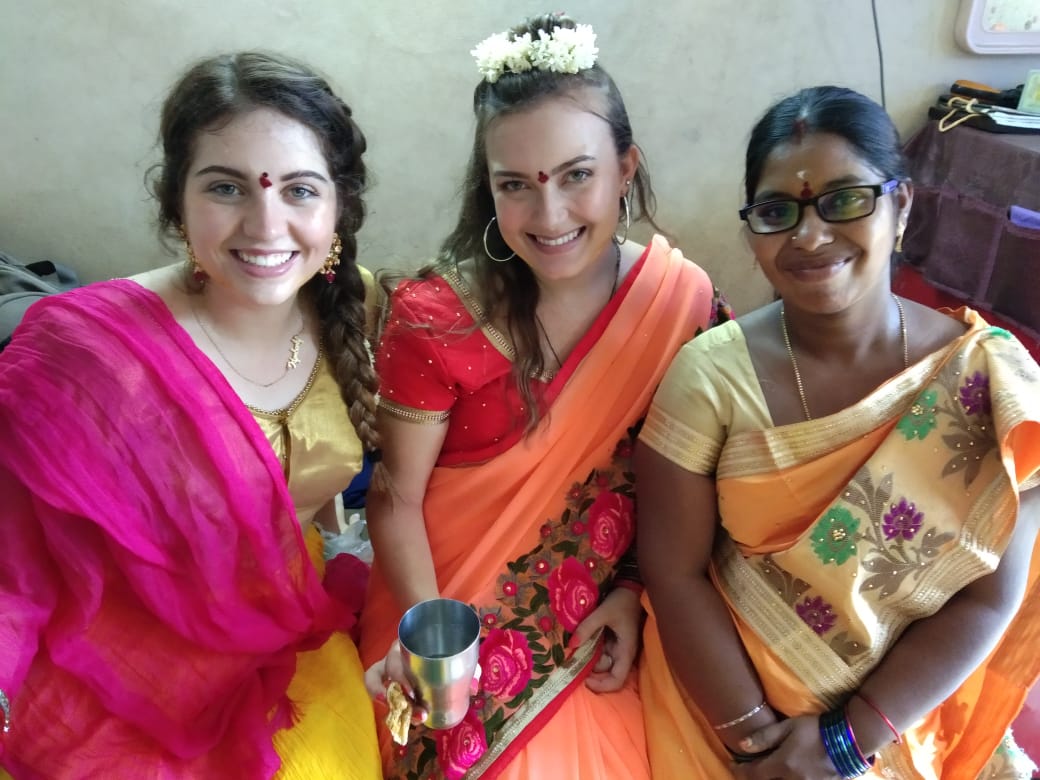
After we successfully tied the saree, Sailaja, Kymberly and I began on our way to visit two different women’s houses for pooja hopping. Pooja is performed by Hindus and is a prayer ritual of religious worship to one or more deities, and in this case to the Goddess Lakshmi. Many women host and honor guests during the ceremony while worshiping Lakshmi. They offer fruits, flowers, chickpeas, sweets and more, which then return to you after they’ve been blessed by the goddess. Anyways, our first destination was to see Durga in her home. Durga is the main chef at KrishnayyaGaru’s house with two sons, Mumu and Sidu, who come to see us after school about once in a blue moon. We once met Durga’s husband as he was picking her up from KrishnayyaGaru’s house when she had finished cooking dinner, and he seemed like a nice man. Anyhow, as we walked to her house, I was shocked. All four of them lived in a room maybe half the size of Kymberly and my hotel room. In that moment I felt completely blessed for what I had in my life, but also so awestruck with their way of life. For four people, they had one bed, a fan above their head, a shrine by their doorway, and only absolutely essentials.
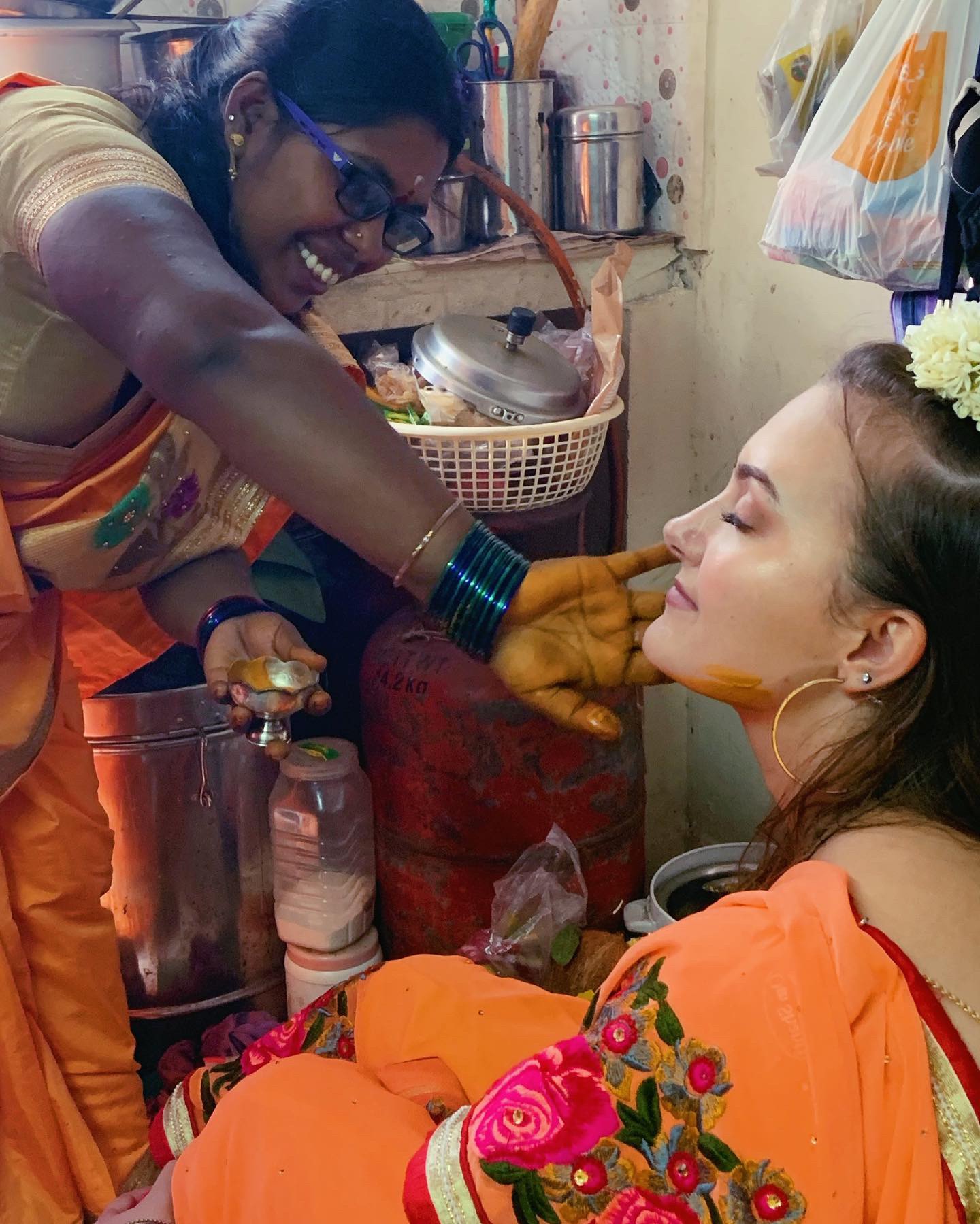
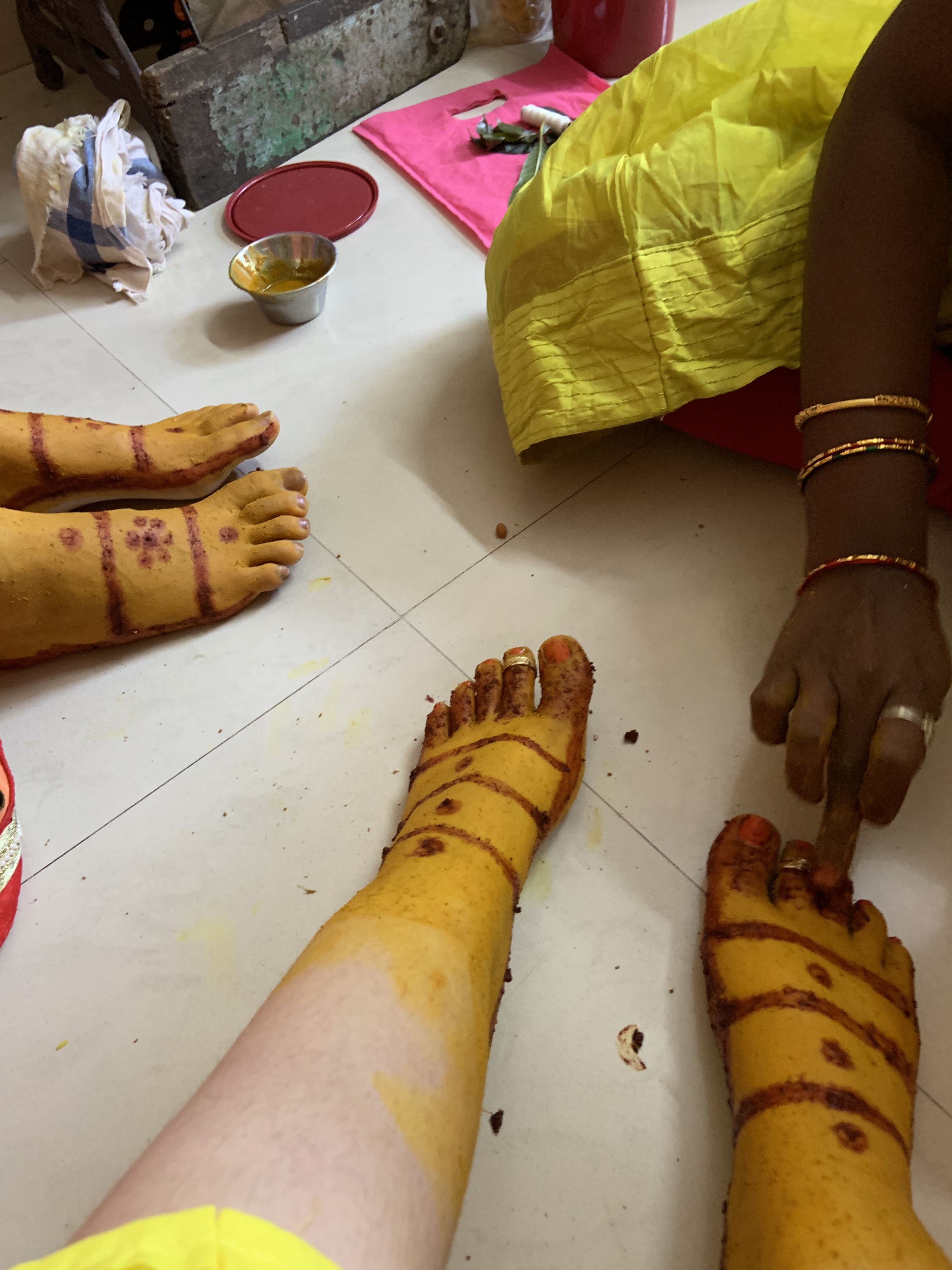
We began the celebration of Lakshmi with smearing turmeric on our feet. Durga had us sit on a small stool in front of her as she applied the mask-like paste from the bottoms of our feet to just above our ankles. Turmeric is considered a sign of purity, prosperity, and fertility, and is also remarkably healthy and high healing. The color yellow is also very sacred and fortunate, and even cloths dyed in turmeric are considered pure. Once she finished smearing the turmeric paste to our feet, she then swiftly wiped a small dollop along the left and right side of our jawline. At this point we were already so thankful for all she had done for us, but on top of that Durga offered us food that had been blessed by her Lakshmi shrine. We gratefully took the gifts, and I felt (and still feel!) complete and utter appreciation for her and her generosity. After accepting the food, we gave thanks and went on our way to the next destination. It was a short visit with Durga that morning, but I truly believe I’ll never forget her utmost kindness. She took time out of her busy day to help us honor Lakshmi properly.
Our next stop was the home of Raja Laxmi who had significantly more comfortable living quarters than Durga and her family’s humble abode. We went through the same process with her. We reapplied turmeric to our feet but this time with designs painted in red. We received blessed foods from Goddess Lakshmi, and we were so very grateful for all she did for us to help us fully immerse in the day of Lakshmi.
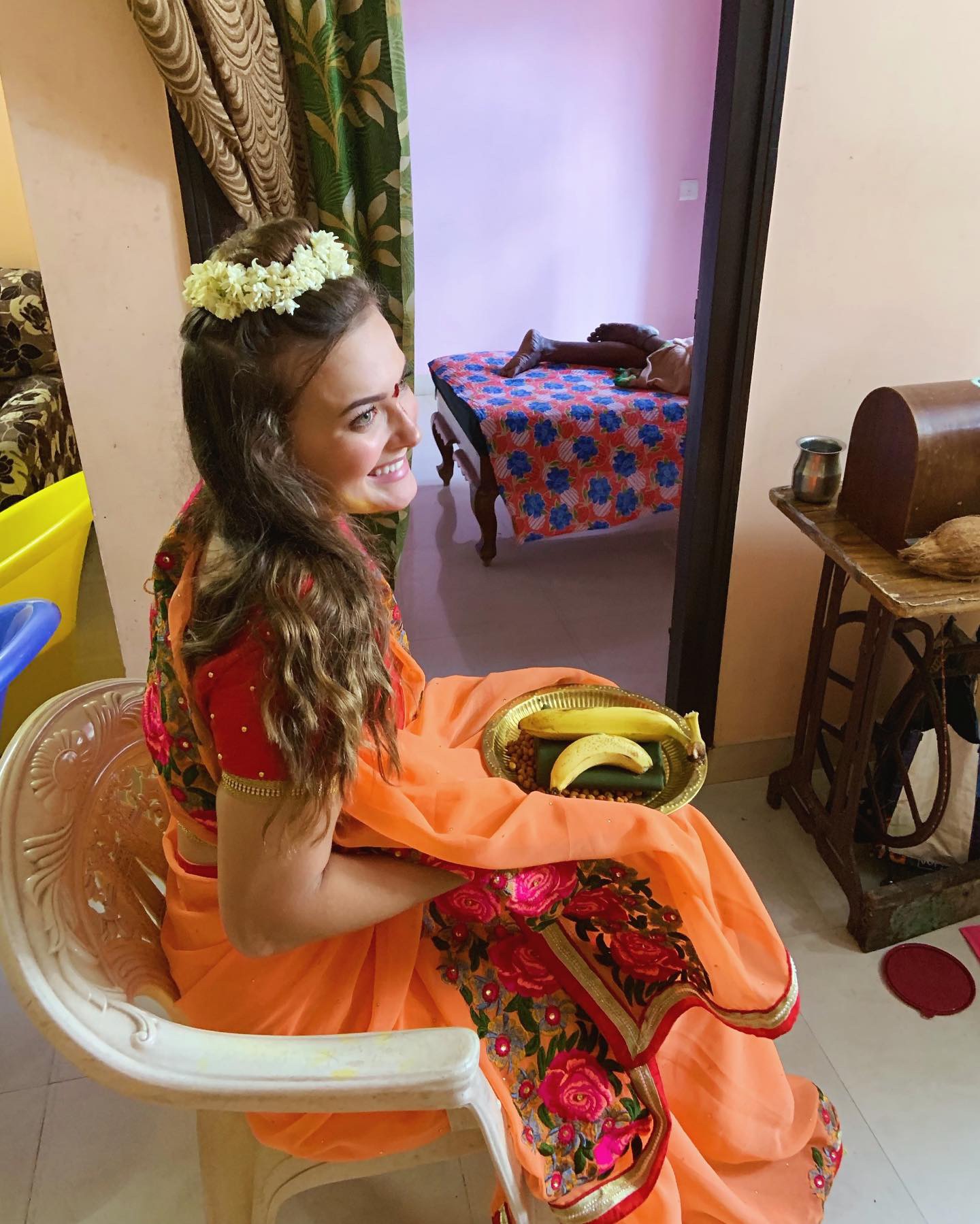
I was so grateful to have experienced such a fascinatingly beautiful holiday with such wonderful women. Other than occasionally struggling to walk with the saree, it was surprisingly very comfortable, and both Kymberly and I had a wonderful time!
All the best,
Kari
….
Footnote 1: When I went and had my measurements taken by the local tailors who, by the way, took extensive measurements, they must have been blind, sick, or deaf because when I got the blouse back it was made for a 10-year-old boy. What I find most odd about the tailors around here is that they are, more often than not, men rather than women. It’s not uncommon for men to be tailors, but everywhere we went there were only men dictating the sewing. Time after time the clothes I requested be taken in (which was everything because we were only given XXLs… I guess we look a lot larger than we actually are) always came out too loose or too tight. I really think it might be because women aren’t there to demonstrate what works for their own bodies. When Kymberly’s female cousin in Gujarat tailored her blouse, it turned out perfectly!
**Tip: Always request to try something on to see if you like it before buying it. You may feel that the opportunity will not come, and it might be too much to ask. However, if you don’t want to spend money on something you won’t like or will regret, then honestly just request a fitting room! I know this seems like common sense, but in Vizag the thought process is essentially: ‘buy now and get it tailored later if it doesn’t fit’!**

 The Real India: Dubbed in Telugu